
Click the pictures to enlarge
From the perspective of fifty years, an attempt to draw out - from the meanders of memory - the events which substantially shaped the rich history of the dynamic development of culture, art and education in Nowa Huta is surely a mad undertaking. But the willpower and the almost fanatical passion with which I took part in building the foundations of the new institution that the Lenin Steelworks (HiL) House of Culture (ZDK) then was (mainly in the fifties and sixties), backed by boundless commitment to shaping its face and then to stimulating cultural and educational activity, will come - as factors that help to reproduce and recreate - to the aid of those bold intentions.
I also see considerable support in various materials in the form of press publications, bulletins and folders, which (fortunately) it proved possible to preserve to some extent. In attempting to sketch a picture of the development of cultural and educational activity in this extremely specific environment, determined by a population of newcomers, one of its elements will raise no doubts: the recreation - for the most part - of artistic events and the context accompanying them will be broad in scope and markedly subjective in character. Artistic activity in the broad sense, which - given my predispositions - was by definition to make all exploration of its fields easier for me, could open up such a prospect and make it real.
This came from the immodest conviction (not conscious at the time) that an education both in music and in the visual arts, and in addition a deep love of everything that can briefly be called culture and art, would become the driving force.
So I strove hard to create, in the artistic field, the widest possible offer both for potential adepts of the most varied artistic formations and for the future recipients of what they produced.
The first music groups were often recruited from musicians who came from the Kraków milieu: colleagues. But such groups as the choir, the theatre group and the brass band, which already existed at the steelworks, and above all the Song and Dance Ensemble, which was formed in the phase when the town was being born - provided a favourable impulse for the newly established institution whose name was the Works House of Culture.
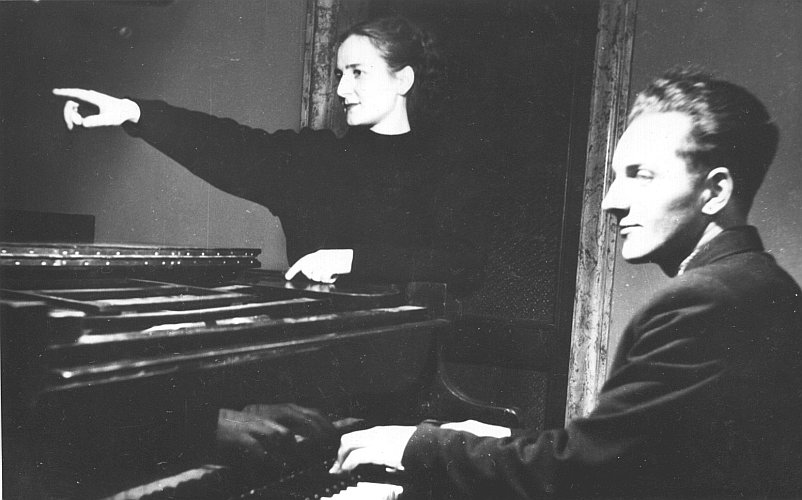
At the same time one has to admit that the process of adaptation of the incoming community, which came mainly from rural backgrounds, to quite different conditions - let us call them, by convention, quasi-urban - was neither quick nor easy. So the animators who took on unimaginably difficult tasks in the field of spreading culture and forms of education were forced to gather special strength and will within themselves, as well as exceptional drive, in order to cope with those tasks.
For the scale of mobilisation had to match the scale of the intentions. The enthusiasm and overwhelming energy of the young, though still inexperienced, cultural workers brought to mind analogies with the period of rebuilding the country after the end of the Second World War.
It is true that the undertakings we began to carry out at the ZDK were preceded by the so-called red corners, makeshift common rooms where modest book-lending points operated and meetings were held with lecturers who passed on educational knowledge to the residents of the workers' hostels, while creative experiences, provided by artists of various backgrounds themselves, were only a substitute for the needs and expectations.

Only the HiL House of Culture, which started with enormous impetus and culture-creating dynamism in the actions it undertook and created the right conditions, brought a veritable flood of newly formed groups and of events. And since the set of motivating factors was special and the zeal of its staff enormous, the results were as defined in the previous sentence.
The concept of popularising music materialised in the form of instrumental classes: lessons in playing the accordion, guitar, mandolin, violin and harmonica. The concert of a jazz band, which took place at the very dawn of the ZDK's activity, became a strong impulse for the creation of further artistic formations of this type. And this turned into an escalating process of forming further music and vocal groups: a salon orchestra, a mandolin ensemble, a female trio, a quartet made up of three engineers and a doctor. Singers of both classical and popular song also applied to work with the ZDK and, under the expert care of Mieczysław Frogni, while training their vocal skills, could at the same time take part in performances for the steelworks' employees and the residents of the workers' hostels.
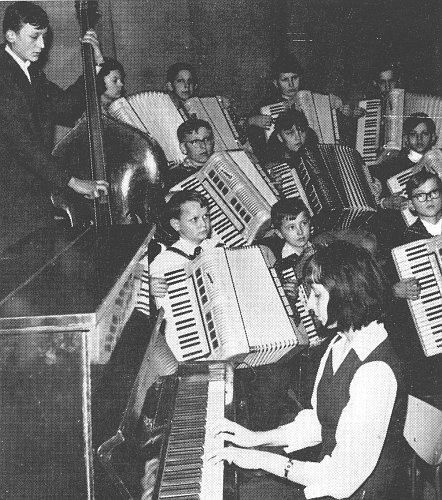
Among the groups of every kind springing up - like the proverbial mushrooms after rain - the accordion orchestra, formed within a short time, became a phenomenon of its own: twenty-five (25) - let us say timidly - musicians, equipped with brand-new accordions inlaid with mother-of-pearl (120 basses) - played by young boys dressed in blue shirts, contrasting splendidly with that whiteness - who, already at an advanced stage of development, performed pieces with a thrilling charge of expression and an impressive sound. The many-voiced texture of the works performed not only increased the mass of sound but also refined its sonic qualities, which undoubtedly restored the strength of the steelworks' employees after their hard effort.
But it also released lively emotions in them, turning into ovations for the impressive performers. And it must be admitted that they were - contrary to appearances - an extremely receptive audience. It is worth stressing that the accordion orchestra was already being joined by young people of Nowa Huta, both those still at school and those working at the steelworks. An exception - worth mentioning here - was the excellent musician and composer, well known in Poland today, Piotr Figiel.
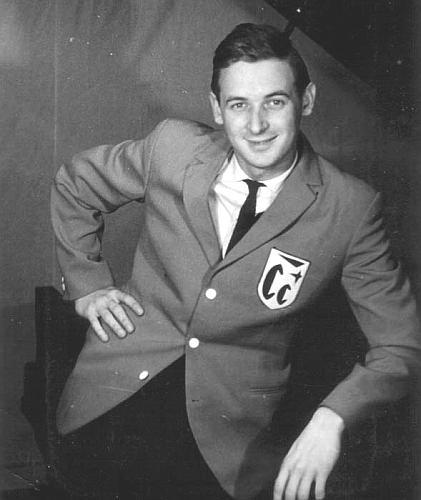
After a series of performances in its own community, and then in Kraków and beyond, the accordion orchestra took part in the National Eliminations of Artistic Groups in Wrocław, where it received a distinction, and the group's vocalists won 3rd place. On the margin of those eliminations, in view of such a verdict, I will allow myself to express astonishment and disappointment. I had the opportunity to take part in various contests and festivals - as a juror or an observer - and I must admit with regret that it was not often objective artistic criteria that decided the verdict. And in an additional thread about the accordion orchestra I cannot omit the fact that this group was given its colour of sound by the rhythm section under the "command" of an outstandingly talented musician and multi-instrumentalist (in the rhythm section he played the piano), Józef Krzeczek. In his later career this musician was the leader of the band Czerwono Czarni, for which he composed, among others, the flagship hits "O mnie się nie martw", "Agato", "Ty masz dwadzieścia lat".
Józef Krzeczek was undeniably an excellent musician with perfect pitch, but because of his way of life he did not manage to reach the highest peak of a musical career.
Nor can I fail to mention the man who created the accordion orchestra. He orchestrated the repertoire for the group with great artistry and conducted it with finesse. He was Andrzej Żelazny.
The legacy of the great orchestra was taken over by the Children's Accordion Ensemble, thanks to Wiesław Kowalski, who - interestingly - apart from the formally required rehearsals taught the members playing technique individually and in groups, in order to reach the highest possible musical level and to satisfy the young inhabitants of Nowa Huta with its performances.
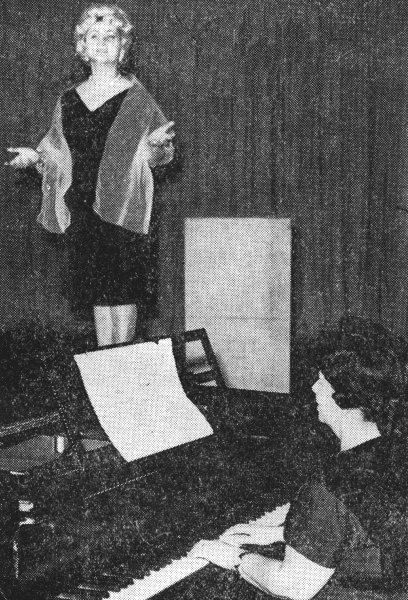
The growing number of people coming to the ZDK for singing, to train their voices - since a singing class was run from the very beginning of the institution's activity - was a natural impulse for creating the "Estrada Operowa" (Opera Stage). Most of its members already had voices trained well enough to attempt very ambitious programmes containing, apart from songs, arias from various operas, among others: "Od Mozarta do Mascagninini", "Cavaleria Rusticana", "Coctail Muzyczny".
The opera stage was one of the particularly active formations. It had dozens of concerts to its credit, both for the community of Nowa Huta and for the inhabitants of Kraków.
The credit for this belongs to: in the first phase of the stage's existence Zbigniew Rybak, and then Aniela Andrzejewska, who worked with the singers on the musical side. Voice production was taught by Mieczysław Frogni. The opera stage was in real demand, and its concerts met with great appreciation.
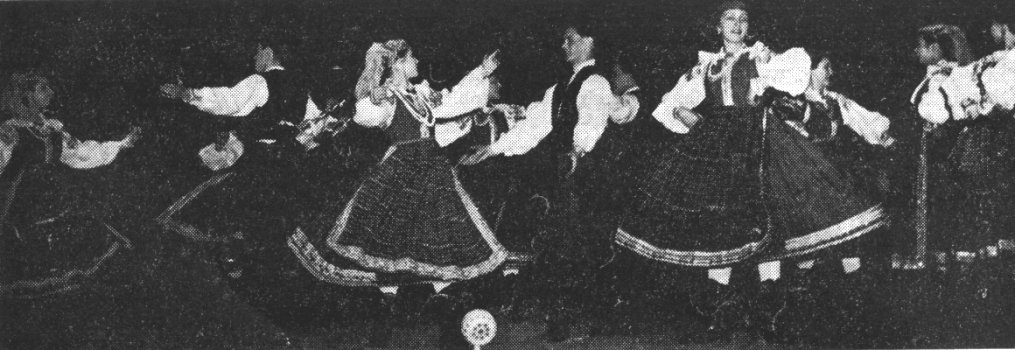
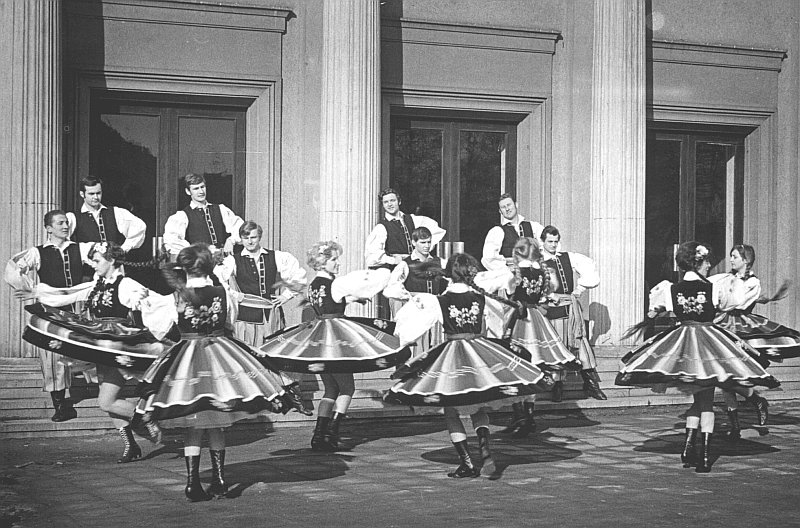
The leading place and a significant rank in the artistic movement at the ZDK was held, and in principle still is (today at the Nowa Huta Cultural Centre), by the Nowa Huta Song and Dance Ensemble.
As early as 1953-1955 it enjoyed enormous success, presenting its rich programme many times to the crews building the steelworks and to the inhabitants of Nowa Huta. Its programme, based at that time on Kraków folklore, was also served to audiences in other regions. And the artistic level of the ensemble was defined by the 3rd place won at the Central Eliminations of Amateur Groups held in Wrocław in 1955. This undoubted success, though not yet the highest, was achieved thanks to J. Fabian.
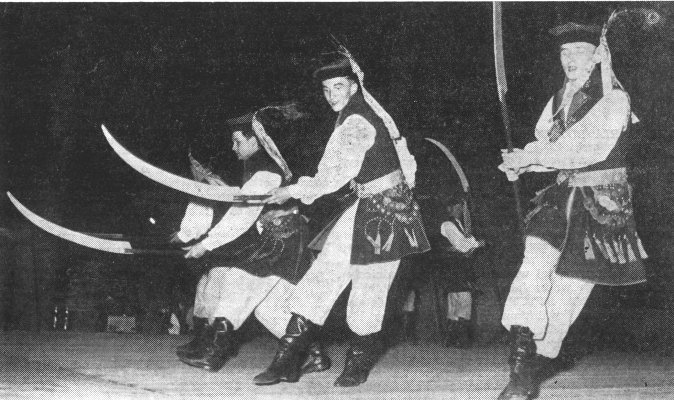
After Henryk Duda took over as leader and choreographer of the ensemble, radical changes followed, both in the programme and in quality.
The range of folk dances came to include the most characteristic and attractive - in ethnic terms - regions, which made the ensemble's programme more representative of our country.
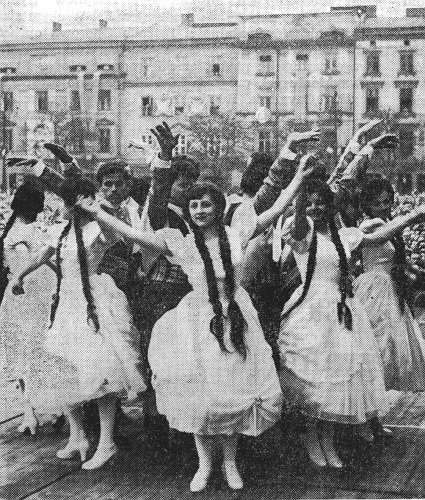
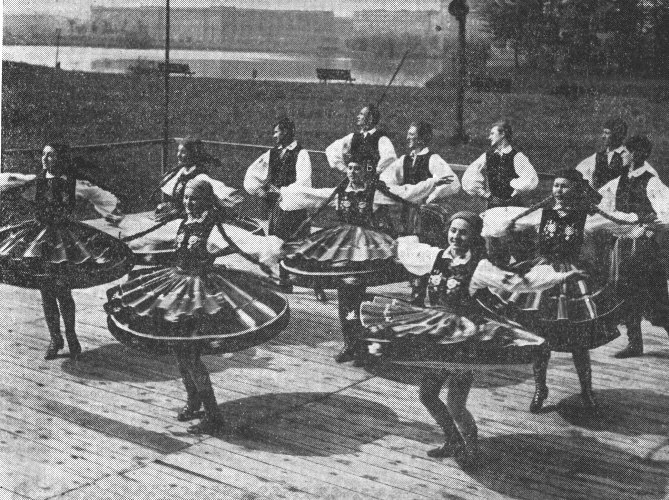
The consequence was numerous invitations for the ensemble from outside Poland. In 1957 and 1960 the ensemble gave concerts in Hungary. But it certainly won much greater renown after a series of performances in Scotland and England, where the success was crowned by an appearance in a television programme. The ensemble's next foreign tours were once again Hungary, and in 1964 - the GDR and Yugoslavia.
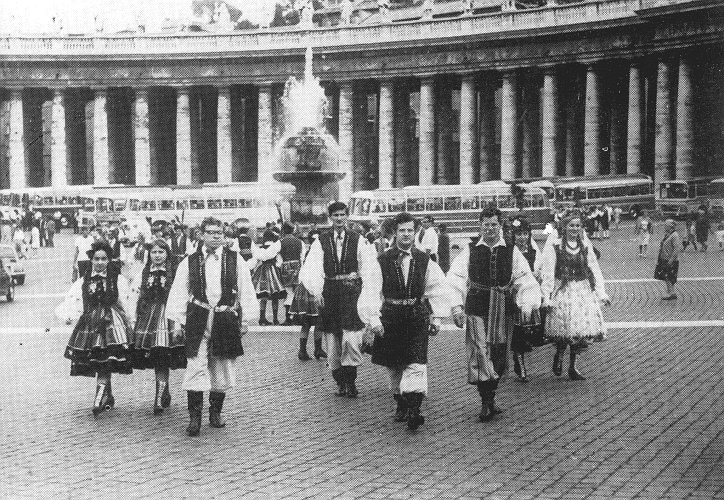
The best calling card for the ensemble was surely its concerts abroad. No less important, and adding to its popularity, were its performances at home: on St Anne's Mountain, and its many performances in Silesia - that region so extraordinarily full of music and song in those days - which was undoubtedly a significant distinction for the performers (they were, after all, invited). All the more so because the musical Silesian audience set high standards.
The ensemble also met with great appreciation from the inhabitants of Lublin and Chełm. And a two-hour programme of a dozen or so dances called "Krakowskie w Tańcu" was honoured with second place at the national eliminations in Kielce.
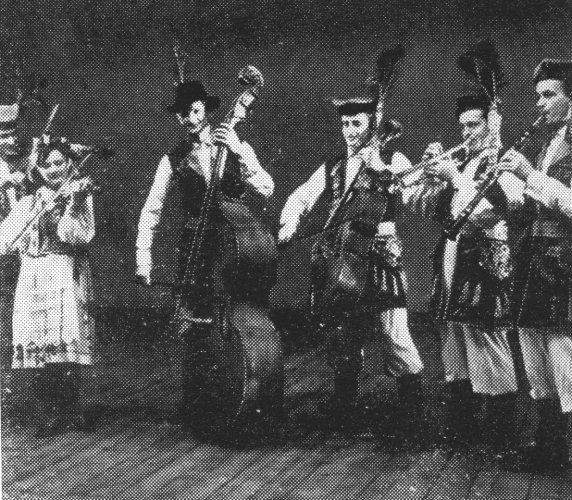
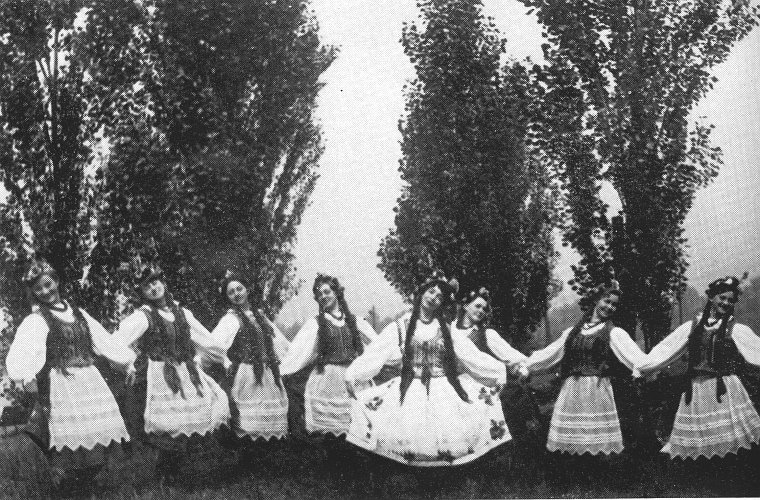
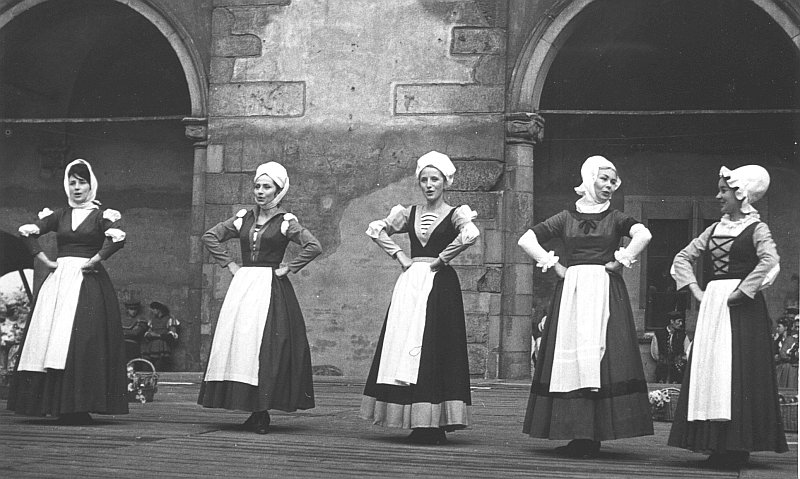
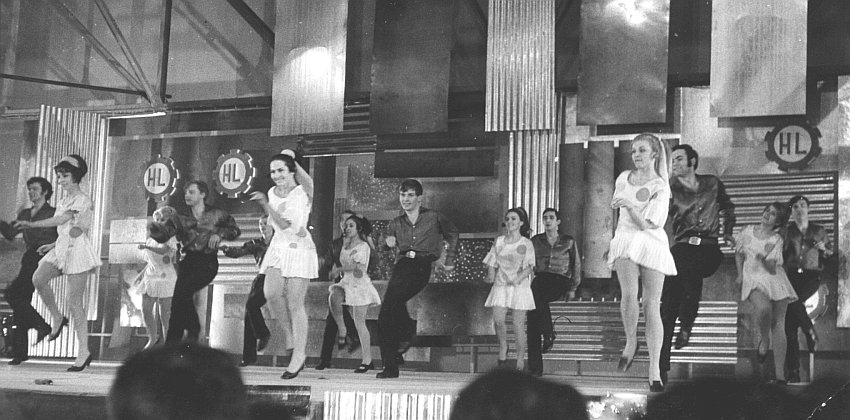
While folk programmes were especially attractive to other nationalities, on Polish ground workers' folklore was received with equally great attention. These were steelworkers' scenes entitled "Wytop Stali", "Hutnicy po pracy", but the following programmes were based on peasant folklore, as shown, among others, by "Wesele w Ojcowie".
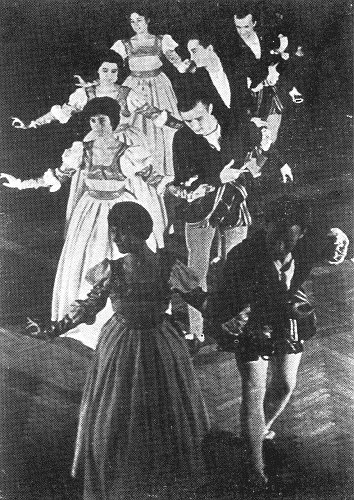
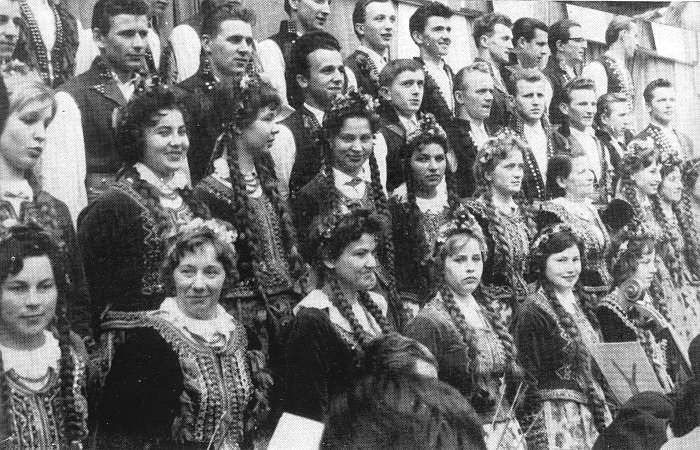
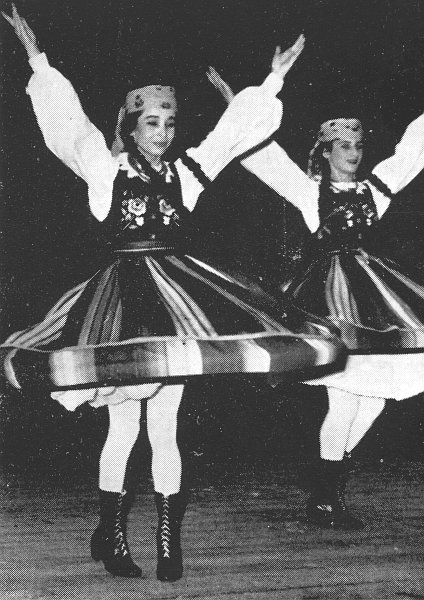
In the Song and Dance Ensemble the leading role was played by the dance group. This does not mean that the choir section and the band - an important unifying factor - performed marginal tasks. The wide range of artistic experience and its power of expression - in a formation of this type - came from the groups combined, that is, the full apparatus.
All the more so because the results of the choir members' voice training were the work of Mieczysław Frogni, and the whole ensemble was watched over by the masterly hand of Zbigniew Tofel.
The folk current has been preserved to this day, though in another place and other conditions - at the Nowa Huta Cultural Centre (NCK). So the Song and Dance Ensemble is still in good shape and consistently cultivates our native folklore: in the conviction (so I hope) that this is a value which defines our national identity.

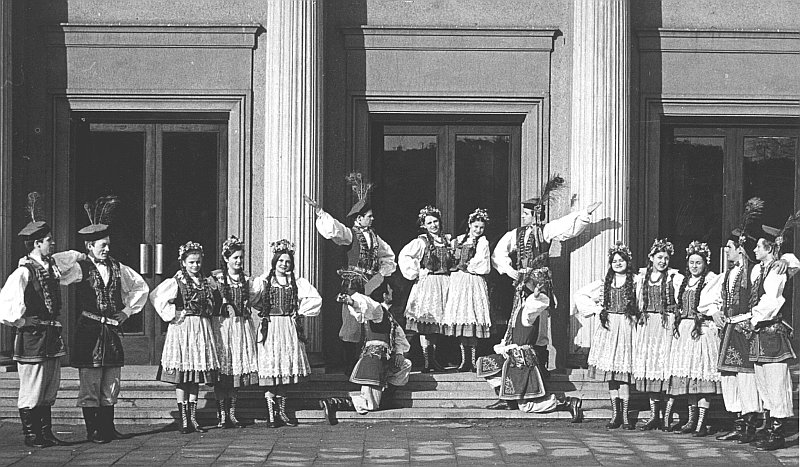
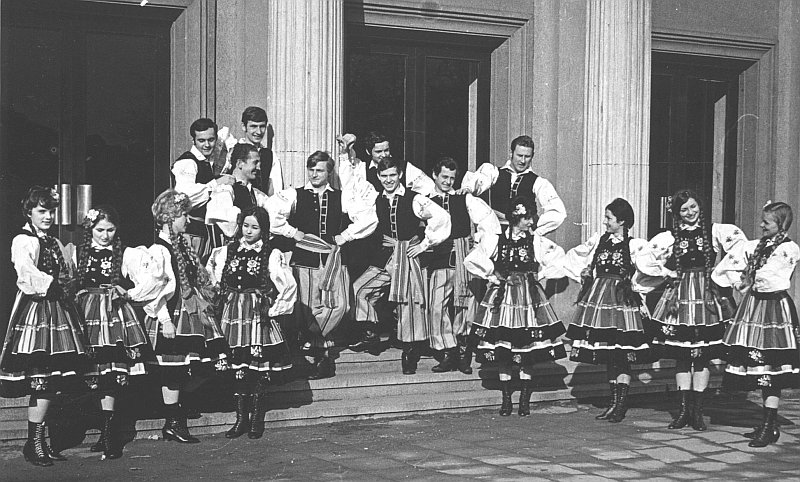
The music and vocal groups presented so far do not exhaust the full resources of the ZDK in this sphere of activity. Its branches also prided themselves on a considerable number of groups, but they will be discussed later.
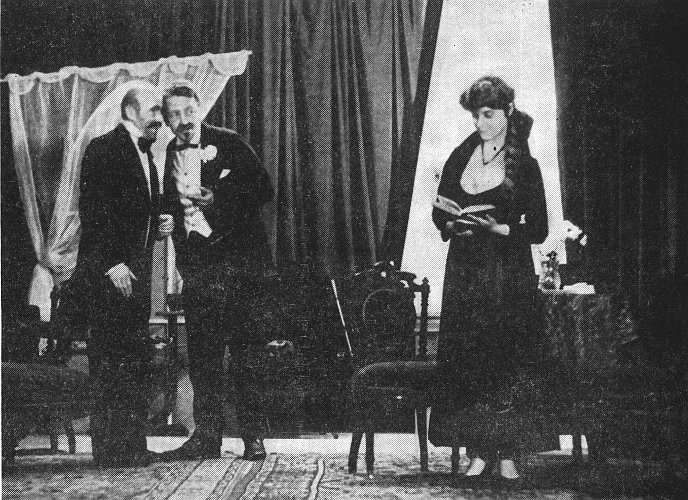
The amateur artistic movement concentrated mainly in the ZDK itself also meant theatre groups of various origins and artistic concepts. A certain artistic level and significant achievements already marked the theatre group which, in a relatively short time, prepared the play "Juliusz i Ethel" by L. Kruczkowski - difficult in the dramatic sense, yet it easily took 1st place in the provincial eliminations and came 2nd on the national scale. In the further phase of dynamic development and of rising to an ever higher level, under the direction of F. Lechowicz, the theatre group took the name "Teatr Mały" and, on the basis of its already good prosperity, set about intensively preparing further items of repertoire. In the period from 1955 to 1960 the Teatr Mały already had to its credit: "Grube Ryby" by M. Bałucki, "Krowoderskie Zuchy" by S. Turski, "Znajda" by R. Niewiarowicz.
After certain upheavals of reorganisation this theatre radically changed its programme formula, basing it on poetry as the basic repertoire material.
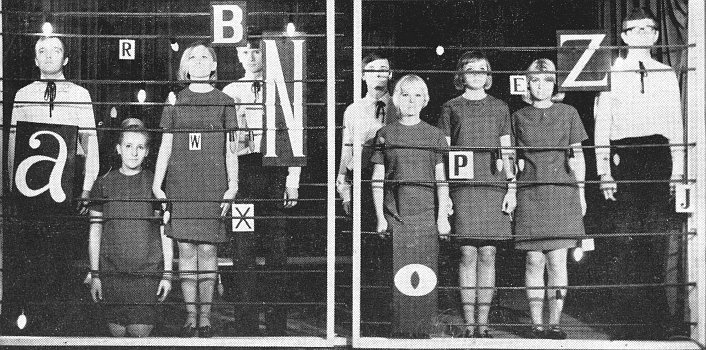
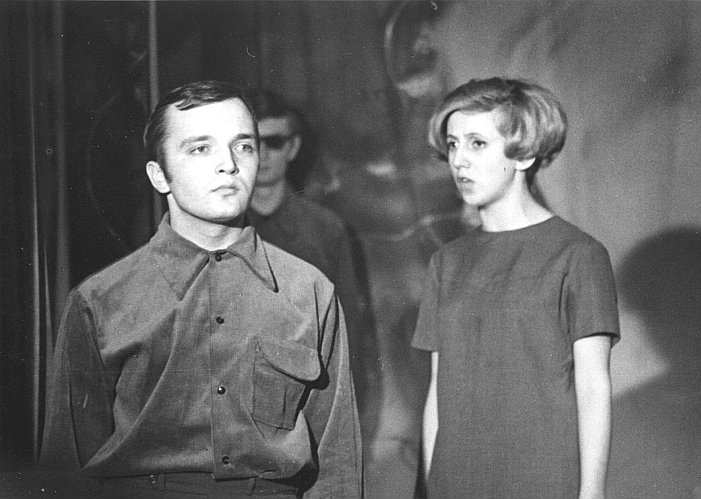
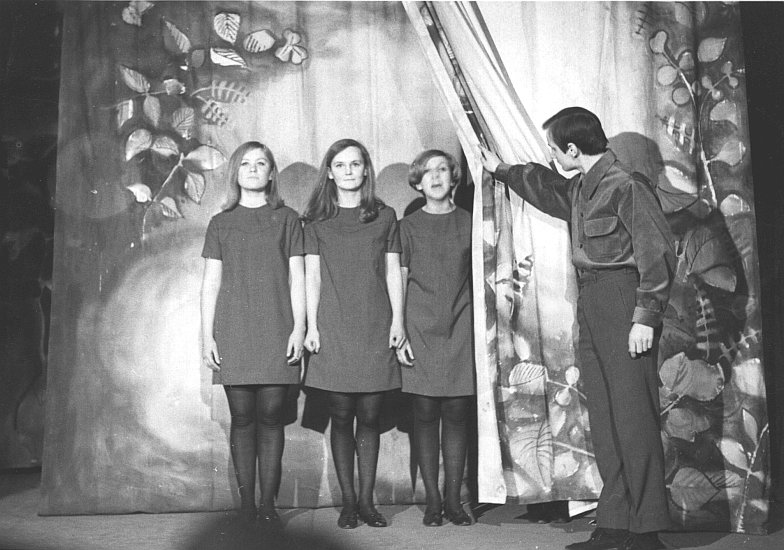
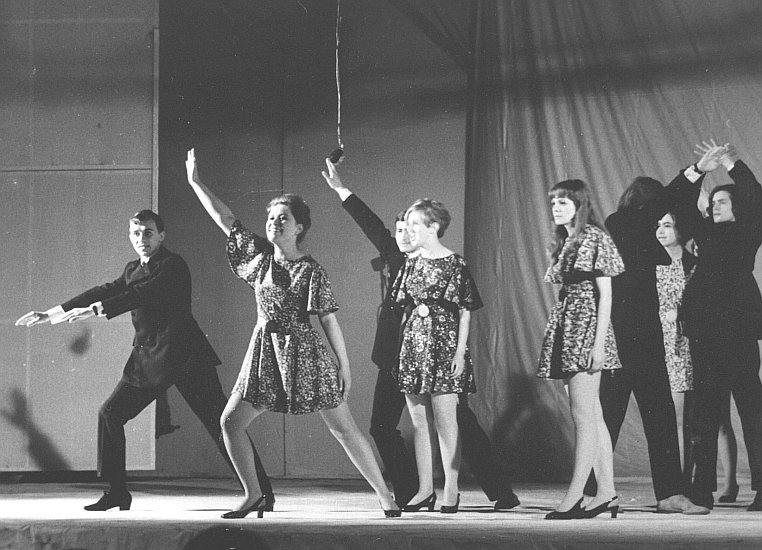
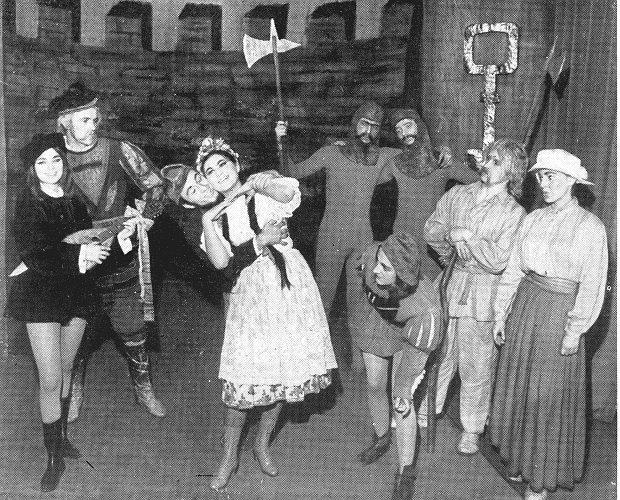
Following this, its name changed too: "Teatrzyk Małych Form". And here are its poetry montages, created one after another: "C.K. Norwid" - with music by F. Chopin, "Boy w przydeptanych pantoflach" - by Boy-Żeleński with music by S. Rachmaninov, "Styczniowe akordy", an occasional montage entitled "Zawsze niech będzie słońce", and then "Dom na Twardej" by K. Korcelli.
The level of performance of the repertoire and its artistic qualities are best recommended by the names of the directors: Czesław Maissner, Anna Lutosławska.
One production with the little theatre was prepared by Eugenia Horecka. In the photo on the right: a fragment of the colourful, song-filled show prepared in the 1966/1967 season by the Teatrzyk Małych Form. It was "Igrce" by Adam Polewka. The show was directed by the Teatr Ludowy actress Eugenia Horecka.
In the wide palette of artistic forms brought to life by the ZDK there could not be missing such an important artistic discipline as, of course, the visual arts. So in 1954 the Ognisko Plastyczne (Art Club) was founded, whose animators practised such techniques as painting, sculpture, graphic art and also applied art. And the club's programme assumed much more: lectures on the history of art, open-air classes, the presentation of its members' works on their "own patch", but they were also shown at provincial and national exhibitions.
That many-sided activity of the Art Club had, as a consequence, an increased influence on shaping - in the members themselves - a sense of aesthetics, the refinement of personality and, of course, the perfecting of their creative craft. But its overriding function was to influence the public: to awaken in them the habit of contact with art in its most varied forms, to train aesthetic sensitivity and to raise the level of civilisation.
The members of the Art Club, gradually raising their skills in various techniques, quickly went beyond their "own backyard": they took part in a number of national exhibitions - and one might say - that the prizes they won poured out as if from a horn of plenty. At the exhibition in Katowice in 1957 the 1st and 2nd prizes were won. Again in Katowice - the 1st prize for the group, and also four individual first prizes, in 1961.
On the basis of the number of honours one could put forward this supposition: the luckiest place, where most honours fell to the club's members, was Katowice.
And here, in confirmation, are further prizes: 1st - for the group, and 1st, 2nd and 3rd - individual prizes for amateur artists.
Soon the drive of the club's members "crossed" the borders of the country. In 1964 there was a meeting of our (Nowa Huta) amateur artists with artists from the GDR, which of course bore fruit not only in an exchange of exhibitions but also in the mutual revealing of secrets of the craft and of views on artistic values.
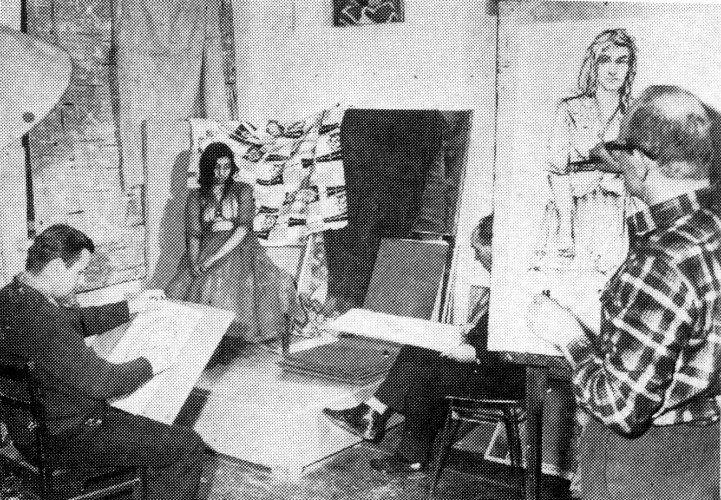
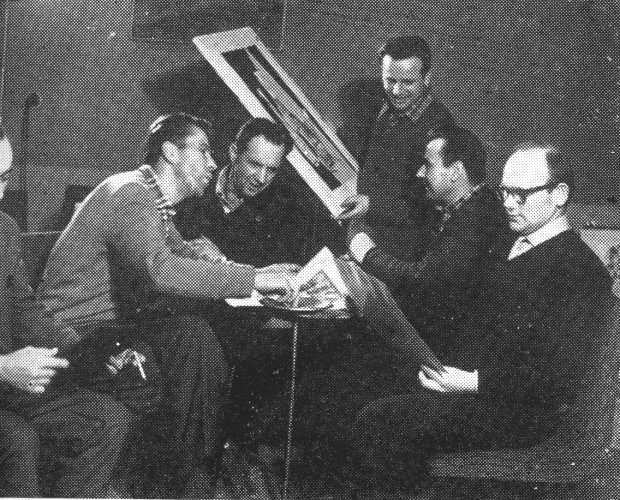
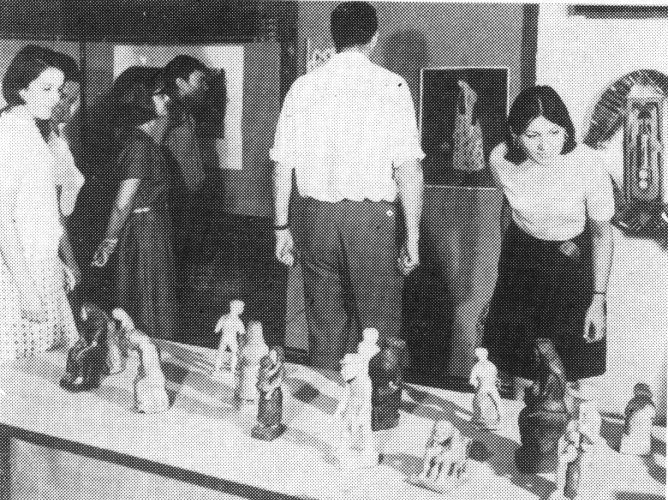
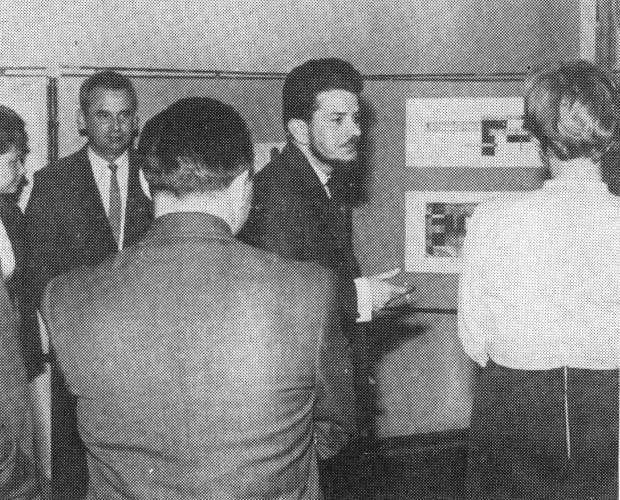
The Art Club - in view of the enormous number of prizes and forms of recognition that came to its members - could pride itself not only on the multitude of its successes but also on fulfilling an essential and broadly understood educational role for the community of Nowa Huta.
So the merits of the following leading figures, one after another, cannot be overestimated: Janina Pawluk-Nowakowa, Marian Kruczek and - directing it to the end of its existence - Józefa Kruczek.
Another group - owing to the variety of its programme - moving between a children's audience and adult viewers was the Puppet Theatre.
In the early stage of its existence Teresa Borkowa-Boguszewska addressed the shows she directed to children. Franciszek Danek, who continued his predecessor's programme, also found that children are the most grateful audience.
After a short time its direction was in turn taken over by Karol Zwoliński. Alongside the existing little theatre an experimental Puppet Theatre called "Widzimisię" was created. Its actors were professional artists, visual artists - inhabitants of Nowa Huta. This theatre, interesting in terms of its artistic concept, was directed by J. Wroński.
In 1961 another Puppet Theatre was organised by Joanna Grabek. The next person to take over its direction was Karol Zwoliński. I have recorded these brief pieces of information about the short-lived puppet theatres for the sake of keeping faith with the facts contained in the chronicle materials.
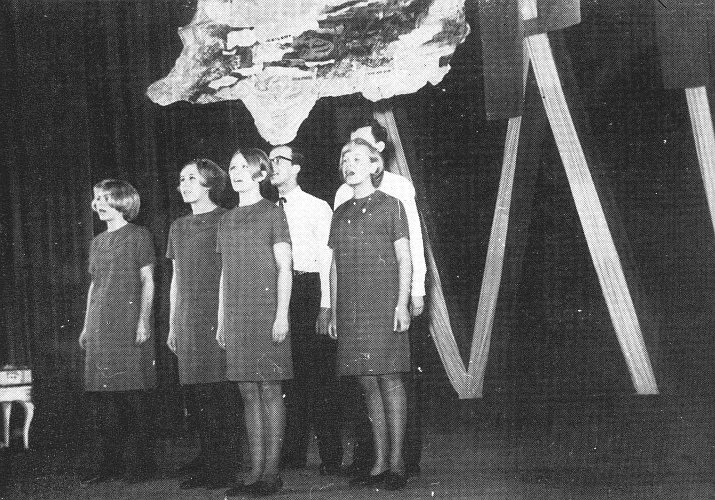
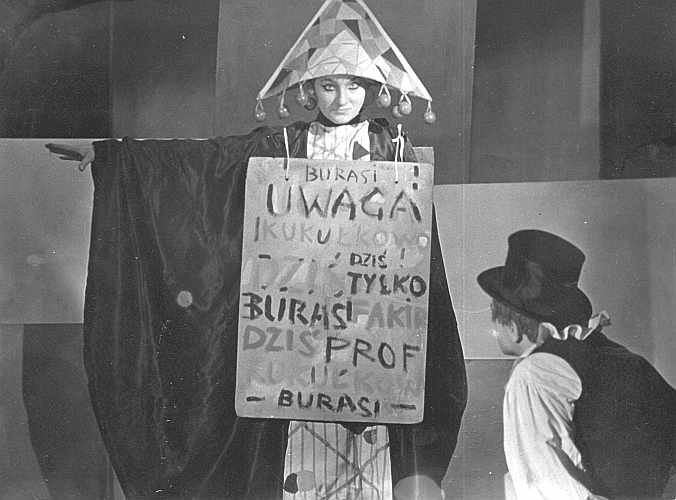
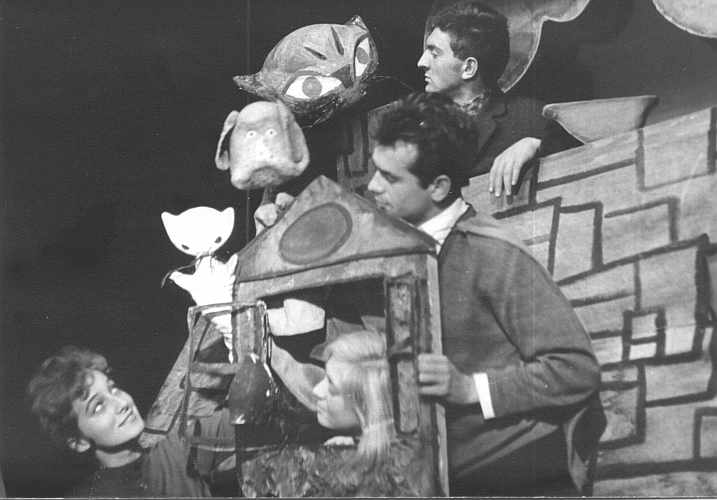

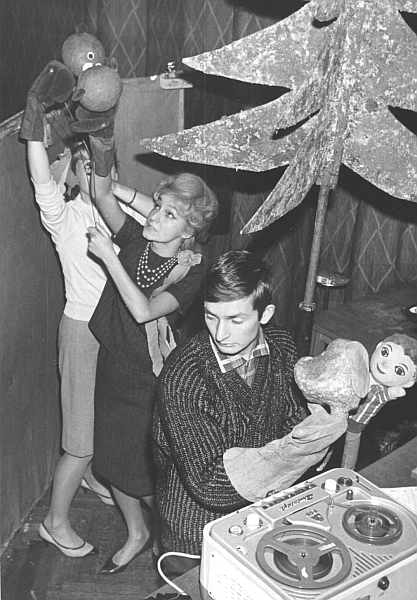
After the almost episodic appearances of puppet theatres up to then, and directors changing as in a kaleidoscope, Zbigniew Poprawski, creating the little theatre "Miś" in 1965, brought the right actors into the group, gave them a dynamic impulse and so began its impressive prosperity: premiere followed premiere. And so, up to 1965, the following plays were staged: "Hura 15:0" by L. Śmigielski and K. Zwoliński, "Nasze Zabawki" - by Z. Poprawski and K. Zwoliński, "Śpiąca Królewna" after Grimm, "Przygody kotka-Protka" by Z. Poprawski, "Wesoła Estrada" - a show based on a montage of poems and songs. And the performers of these shows were: Zofia Sotoła, Elena Majchrzycka, Jerzy Piórkowski, Jerzy Trela and Władysław Sitko.
It is true that Z. Poprawski, who also held the children's audience in esteem, meant his first programmes mainly for it, but at the same time he had the ambition of staging a play for adults.
And that is how the production entitled "Płaszcz" after N. Gogol came to be prepared. A contemporary stage design together with excellent directing meant that this theatrical work met with great appreciation in its own community and with high marks from the jurors at the festival in Puławy, and also in Czechoslovakia.
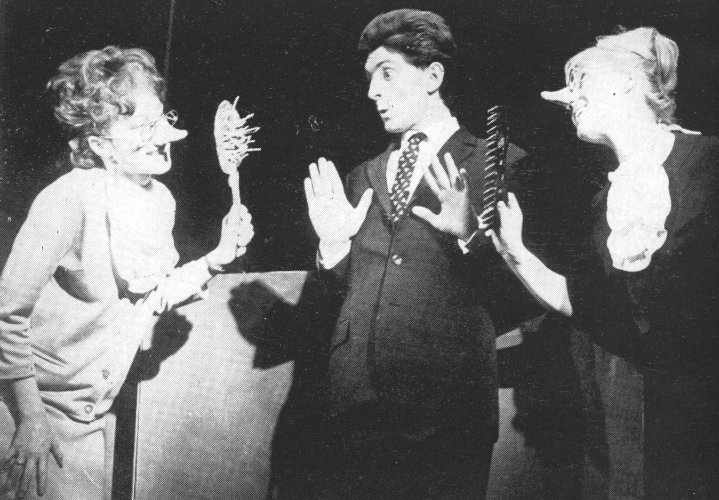
What remains for me is an annex: namely the work of N. Gogol, "Płaszcz", presented at the festival mentioned earlier.
And there remains one more important phrase, to strengthen the final thought which will be the closing accent of this whole text: the class of the acting craft of the puppet theatre's performers, shown in a special way in the staging of N. Gogol for adult audiences - which allowed one to forecast that in the near future all of them would be able to fill the stages of professional theatres - might to some extent have been a truism.
But the fact that Jerzy Trela reached the heights of the actor's craft and held the honourable office of rector of the State Higher School of Theatre (PWST) is an absolute truism.
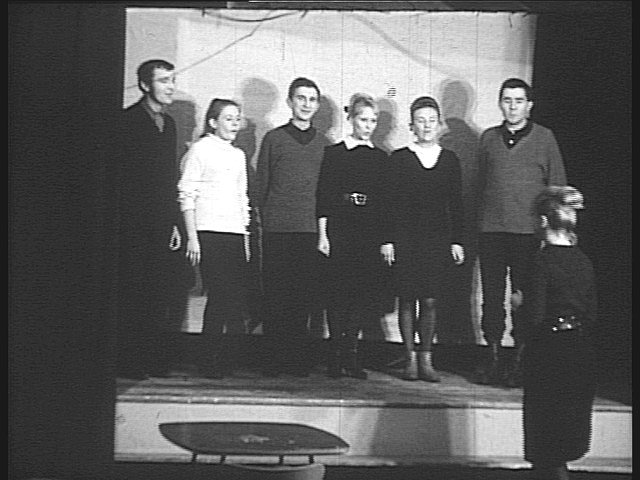
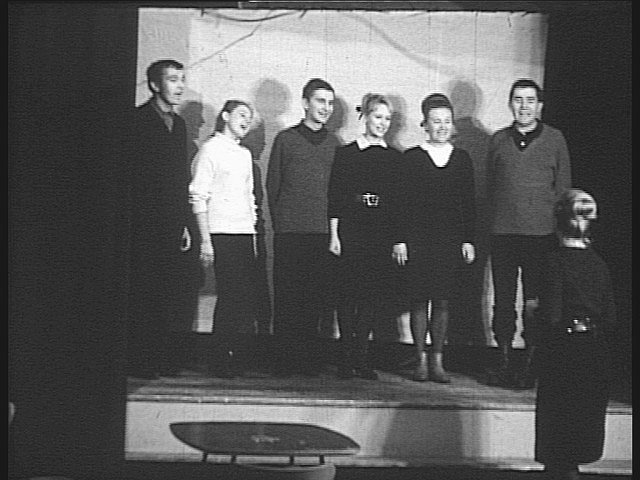
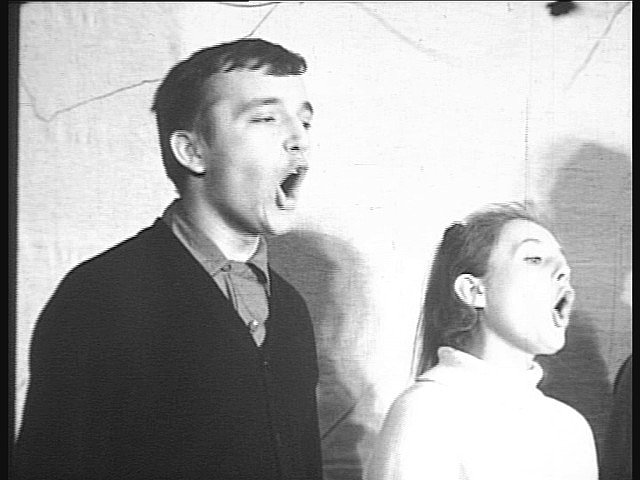
Like the Puppet Theatre, the "Młodzieżowa Estrada Poetycka" (Youth Poetry Stage) could boast many years of activity and significant successes.
The programmes prepared by the stage, based on poetic material - it seemed - would not meet with the desired response from listeners.
Yet the reactions of the young audience were surprising, and quickly dispelled the sceptical predictions of both the performers and the organisers of the poetry shows.
The main credit for this goes to an actress of the Teatr Ludowy, as director of the stage and also a performer of one-actor theatre shows, Irena Jun.
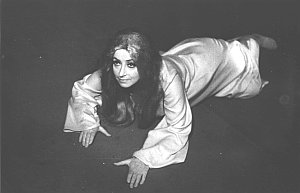
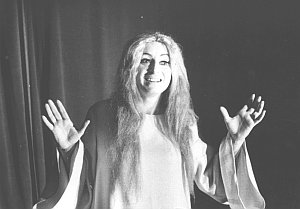
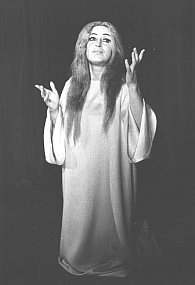
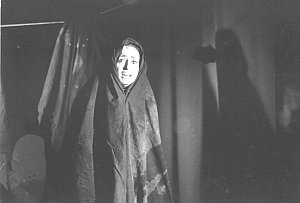
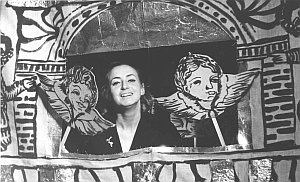
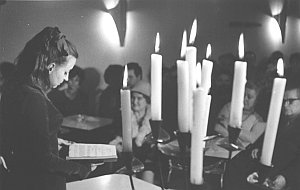
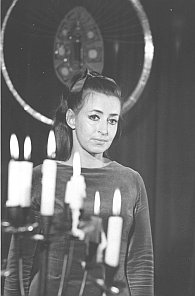
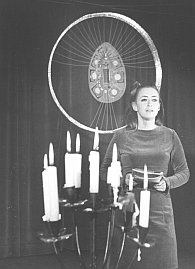
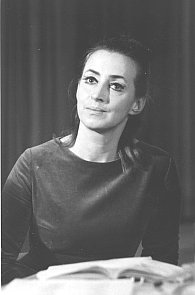
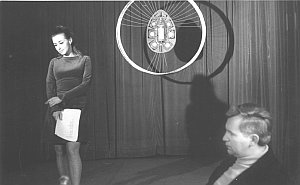
The actress put her whole emotional potential into the group she led. Her special talent as a director and artist is obvious here. No wonder, then, that the Poetry Stage three times won first place at national festivals of poetry theatres: in 1965 - in Szczecin, in 1966 - in Kraków-Nowa Huta, in 1967 - in Poznań.
In addition, the Ministry of Culture and Art recognised the Youth Poetry Stage as one of the best amateur groups in Poland and awarded it the Minister's prize.
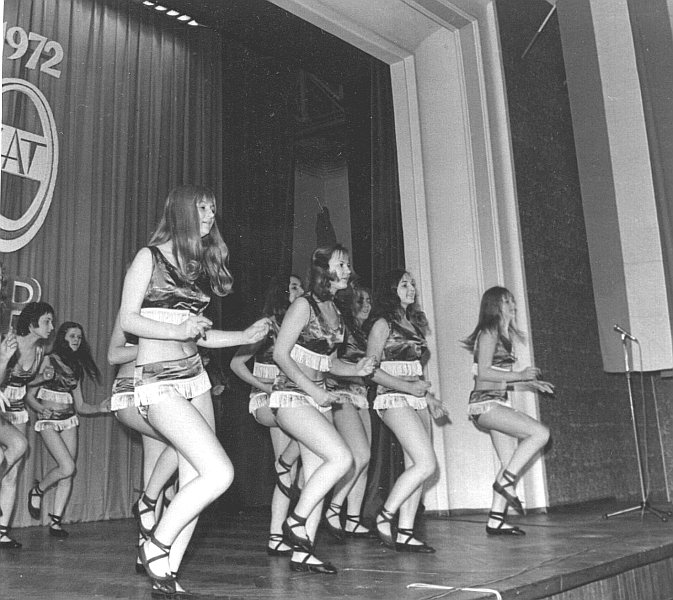
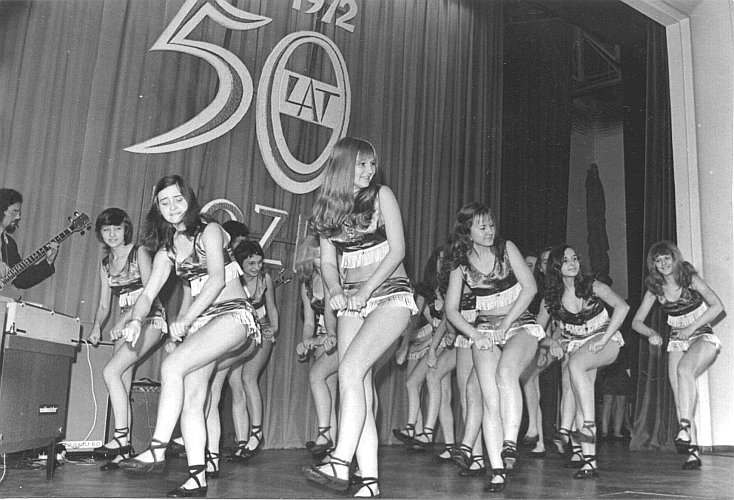
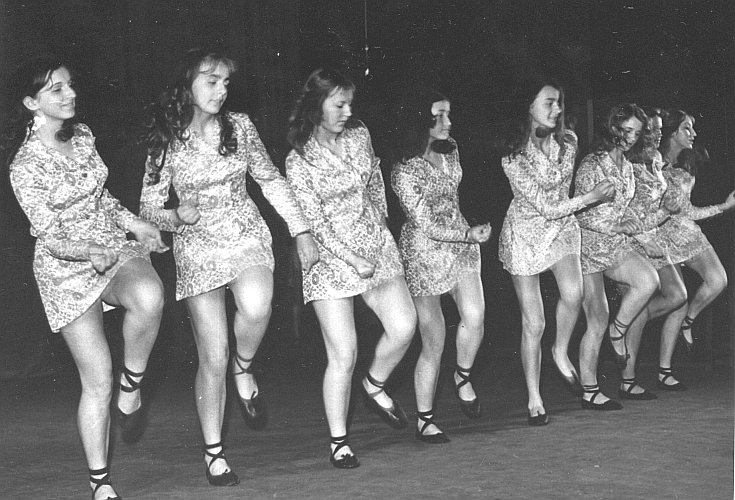
Staying within the circle of the central ZDK institution, one must not omit the extremely important and wide activity meant for the youngest: eurhythmics classes for children aged 6 to 10 had an overwhelming influence on their correct and very beneficial psychophysical development, determined by such elements as: perfecting coordination of movement, shaping a graceful figure, awakening sensitivity to aesthetics and developing a liking for artistic disciplines.
Moreover, eurhythmics was also treated by the organisers as the first stage of initiation into the more refined secrets that mark dance routines - in a word, ballet.
And since taking part in a dance group was an even greater temptation for older children, an exceptionally large number of them gathered precisely in the dance groups. This did require creating numerous dance groups, but at the same time it ensured a wide base for the adult ballet.
The scale of the children's interest in both eurhythmics and ballet was most clearly expressed in a number: over 200 children in one season.
Credit for developing their skills in both artistic disciplines belongs to: Kazimiera-Katarzyna Florek, Eleonora Jabczanik, Łucja Wawrykiewicz and Ryszard Magnuszewski.
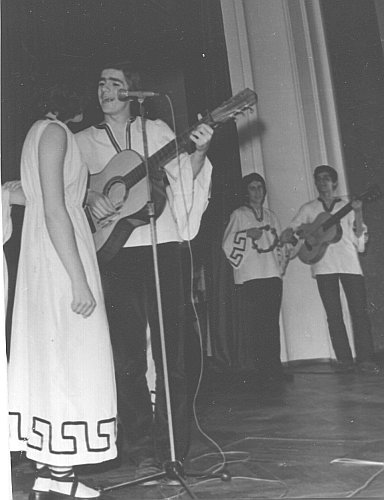
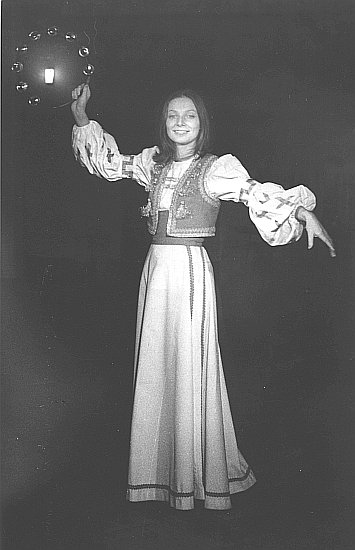
Consistently keeping to the order of the chronicle records, it is fitting to present in turn such groups as: Czarne Koty, Ryszardy, Kabaret Violinka, Margaretki, Sirtaki. I hasten to explain that each of these groups already has its own separate section on the website.


2003 - 2026 Kraków