
On the margin of a jubilee

Journalistic writing devoted to jubilee celebrations, in its customary convention, places the person celebrated - as that extraordinary occasion demands - on the heights of Parnassus. Showing them in the glare of many-coloured spotlights, in a perspective of euphoric recognition and honours for the immeasurable scale of the achievements of
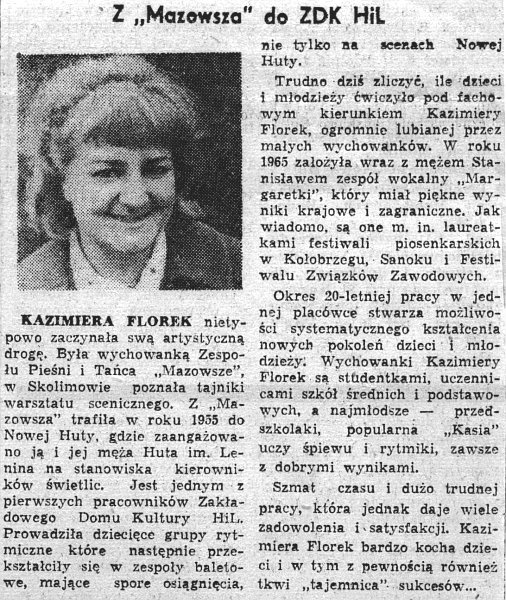
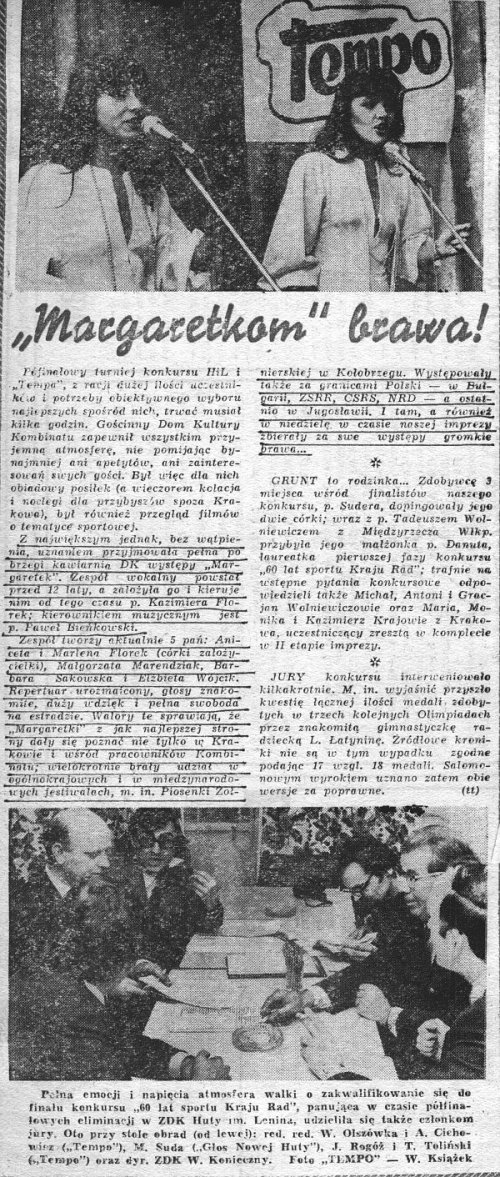
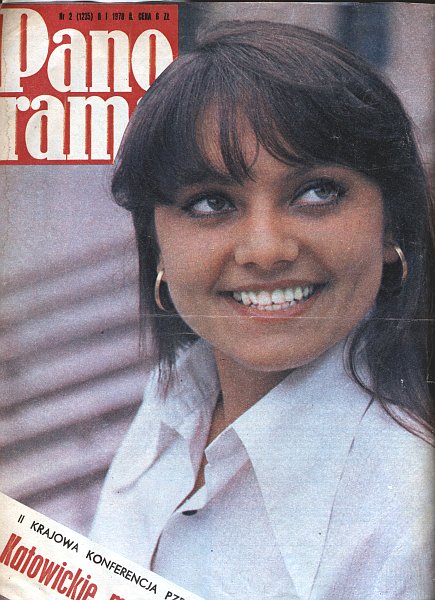
Kazimiera - Katarzyna Florek
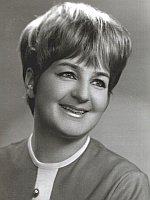
An attempt to move away from that inclination to cliché, to free oneself from subjective impulses, is certainly not easy, but it is possible.
At the same time, to avoid a descriptive form burdened with the intention of painting a monograph together with a description of the artistic merits of the person who is the subject of this account, it will be most fitting to invite internet users, and song lovers at the same time, to the Nowa Huta Cultural Centre.
And here I allow myself to entrust the further narration to the compère. I believe that the sincerity of his narration, through the objectivised structure of the picture, leads towards the immanent truth.
I welcome you extremely warmly and cordially, I welcome you with exceptional ceremony and festivity to the jubilee concert marking 30 years of artistic work. The jubilee concert is on the one hand a retrospective of artistic achievements, and on the other a review of the current output of the vocal and dance groups. The roots of their artistic pedigree reach back to the beginnings of the artistic formula sanctioned, as it were, at the threshold of the professional career of the lady whose jubilee we celebrate.
That artistic formula was marked by the fact that the groups combined singing with elements of movement and dance. Groups of this kind, before they appeared on the screens of our TV, had existed on Nowa Huta ground for a long time and with great success. They were Margaretki and Żonkile. The existence of Żonkile was short. It lasted 5 years. The group was recruited mainly from boys. When their voices began to break they went into "retirement". The girls did not rest; they joined the group Margaretki, which performed for over 15 years, with a string of successes.
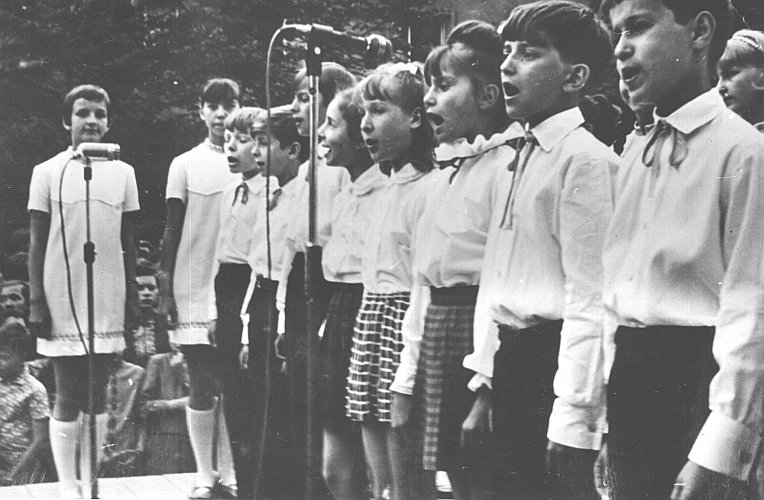


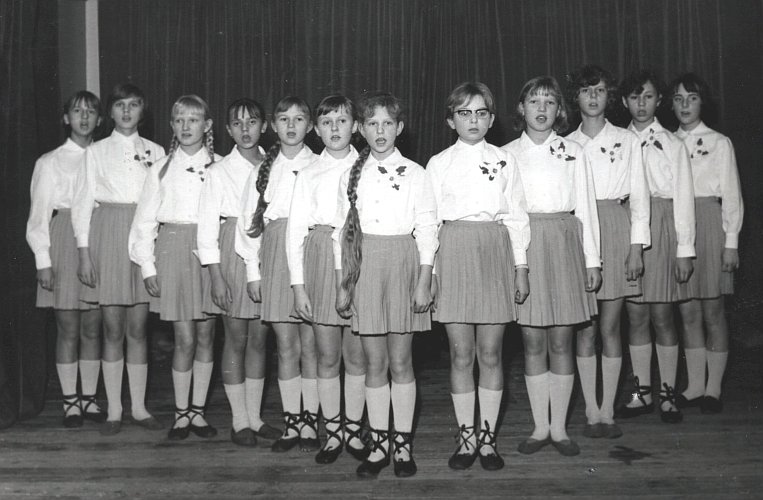
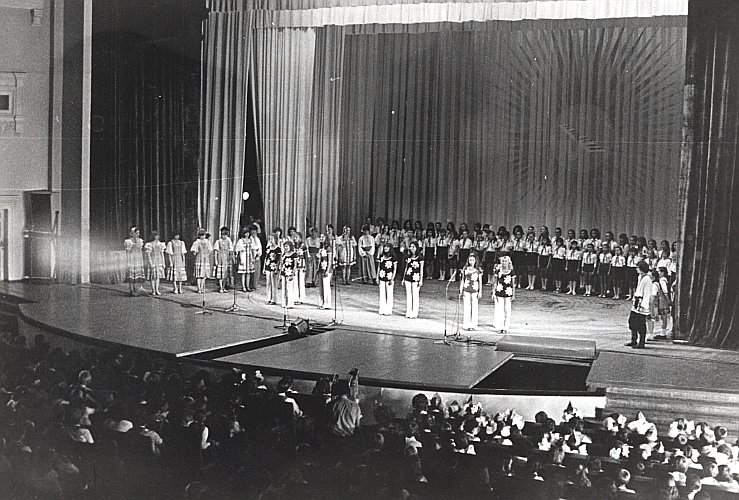
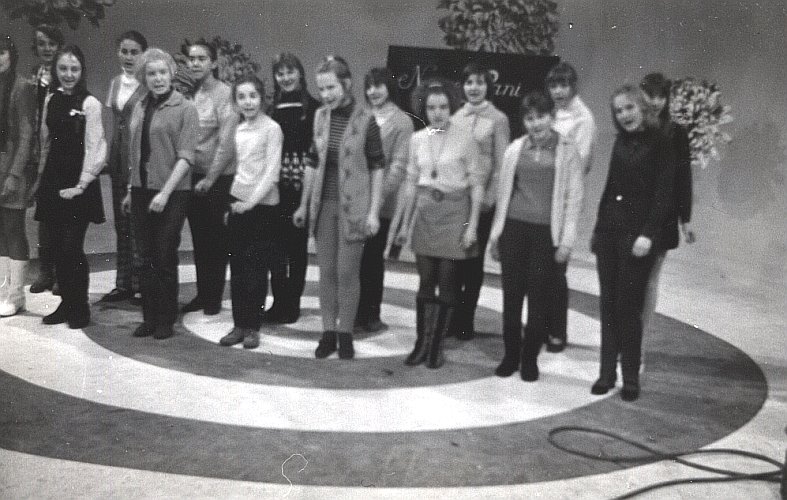
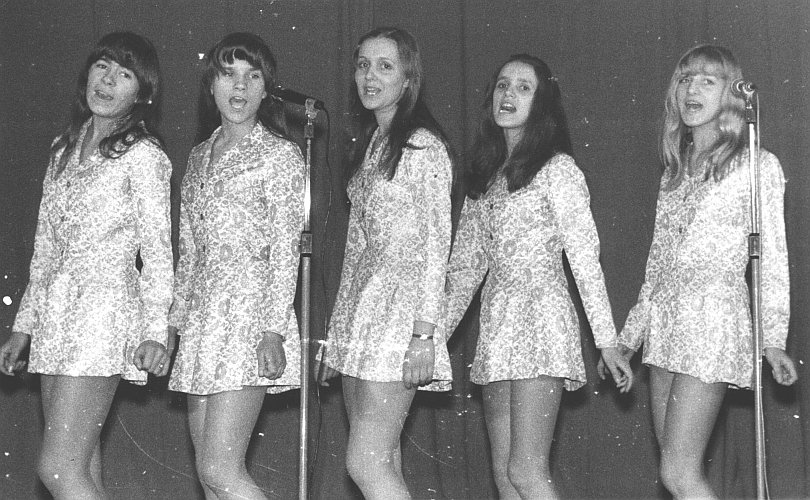
Margaretki performed in the largest cultural centres in the country. They were laureates of many contests and festivals: leading prizes and distinctions - the Soldiers' Song Festival in Kołobrzeg (awarded twice), the Soviet Song Festival in Zielona Góra, the Bieszczady Song Festival in Sanok - 1st place.
They were very frequent guests on Polish Radio and TV. They gave many concerts in Bulgaria, the Soviet Union, Czechoslovakia, the GDR and Yugoslavia. And how they sang is documented by radio recordings. Played back from a reel-to-reel tape - they sounded in all their splendour: five-part harmony, studded with dissonances, sprinkled with syncopation and at times polyphonic voice leading. Qualities that predestined these excellent girls to be recognised as performers of professional class.
No wonder that most of the Margaretki sing professionally. They completed vocal studies - and here I wish to reassure the staunch purists of a single musical genre - they also strengthen the ensembles of the Musical Theatre, the Philharmonic and Polish Radio.
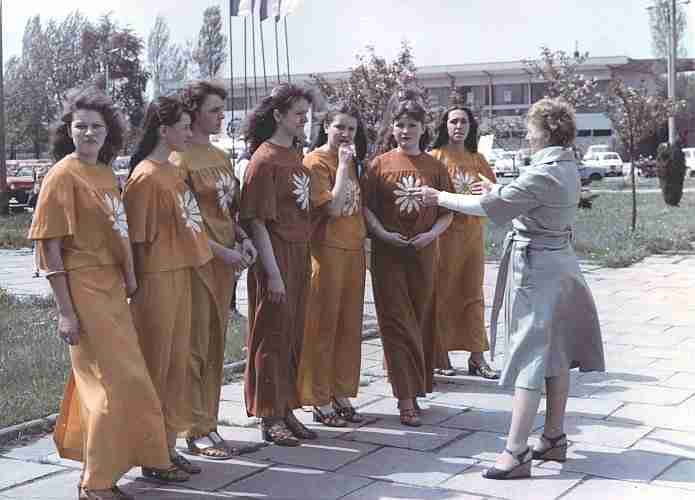
For the sake of faithfulness to the chronicle, mention should be made of two further vocal groups - Debiuty and Andromeda. The members of those groups, overtaken by the institution of marriage, chose a new path in life. One of the dilemmas that undermine the permanence of groups in the amateur artistic movement.
Let us move on to what the present brings: the programme of the concert is filled by vocal groups of three different age groups, at different stages of artistic advancement. One thing, however, does not set them apart. Each of the groups, full of charm and joyful singing, equipped with the skill of using measured movement and a discreet dance step, gives music lovers satisfaction for the ear and the eye.
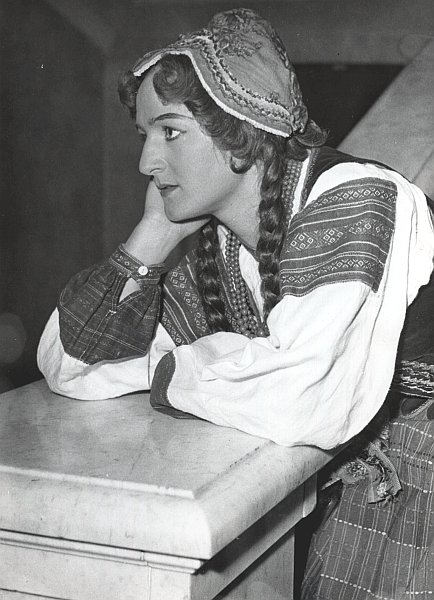
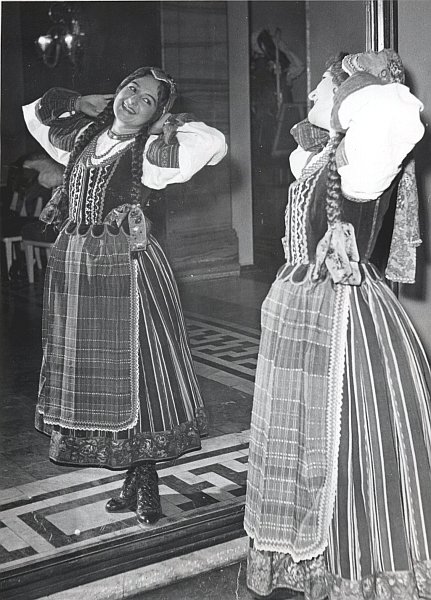
The youngest group is Niezabudki - one more little flower in the artistic meadow of our jubilee lady.
The songs presented are the last chord of winter and the inauguration of spring. The group's repertoire also includes a song that is a reminiscence of the many years our jubilee lady spent in the Song and Dance Ensemble "Mazowsze". As a singer and dancer of that ensemble she travelled across all the continents of the world. This was not without influence on the shaping of her artistic face and the soundness of her creative craft.
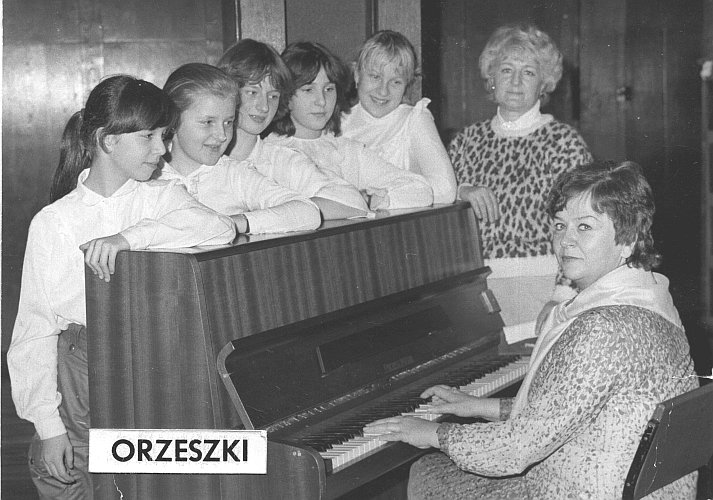
In presenting the next group I have a hard nut to crack. The name of the group is, precisely, Orzeszki ("Little Nuts"), and its history is short. It brings together girls aged 12 to 14, and so, from the point of view of their idea of themselves: young people.
They have been training artistically for less than three years. The repertoire of songs is based on more refined and musically ambitious pieces. Songs such as "Zimowa noc", "Księżycowe dziewczyny", "Panna pszeniczna" are items counted among the classics of popular music. The others, too, are not without beauty and taste in their arrangement.
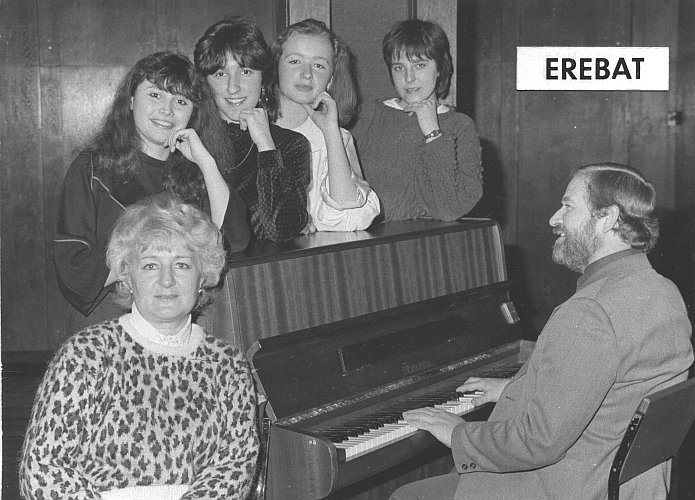
And here is a step up, both in age and in the artistic sense, since the third vocal group gracing the jubilee concert with its performance is "Erebat". The name of the group sounds enigmatic, but the etymology of the word Erebat is simple. It is a construction based on the first letters of the names of five girls.
Or rather almost ladies, for both their psychophysical and their intellectual maturity (potential school-leavers) predestine them to that name. Most important, however, is that their relatively short activity brings with it a first success. In the contest for a Soviet song, on the scale of the Kraków city province, the group won 1st place. The songs, performed in four-part harmony, enriched with the colour of the sound of the electric organ and supported by the drive of the rhythm section, gained artistic ennoblement and exceptional beauty of sound.
Constant care for evenness of the voices through a multitude of voice exercises, and attention to the flawless purity of intonation of every chord, cannot fail to bring satisfying results for the ear. It turns out that in the amateur artistic movement one meets groups which, by their refined performance, full of artistic expression, can give listeners a true musical feast. A concert worthy of the jubilee of thirty years of artistic work. And there is no end to the applause of the large audience, the expressions of recognition and congratulations from the cultural authorities, and the gestures of gratitude from the parents of the performing children, worthy of the creative output of our jubilee lady.
The unforgettable atmosphere of the concert against the wide panorama of a retrospective look: the meandering fortunes of human life, the configurations of creative commitment. The spectacular achievements in the sphere of vocal and music groups do not make up the whole output of our jubilee lady. From the moment she was appointed to work at the Works House of Culture, a no less important field of activity was eurhythmics, and especially the ballet formations.
In every cultural and educational season at least one group of twenty children had the chance to learn a series of exercises perfecting coordination of movement and shaping a graceful figure and distinction of gesture, but also to learn notes translated into various configurations of movement of the arms and legs. A programme of movement exercises carried out in this way provided an excellent basis for crossing the threshold to the higher skills of the art of ballet.
So both these forms were an inseparable attribute of our jubilee lady's part in artistic activity - not only up to that celebration. The omission of details concerning the dance routines in the ballet groups and the high-ranking presentations of programmes on the most renowned stages and in cultural centres at home and abroad is due to their wide treatment in other parts of the description, in the thematic layer on the history of culture and education in Nowa Huta.
The verdict on how far it proved possible to present objectively the creative output and the image of our jubilee lady I leave to the indulgent kindness of internet users.
If the question were asked what lies behind the secret of the jubilee success - I would risk the answer: reliability and love of the profession practised, based (as experts have declared) on a thorough mastery of the pedagogical and instructor's artistic craft. And those assets were given to our jubilee lady by such institutions as: the Central Training Centre for Artistic Instructors of the trade unions (CRZZ), the Song and Dance Ensemble "Mazowsze" and also the Representative Song and Dance Ensemble "Skolimów". And finally - not to mention the music school - the Ballet School in Warsaw.


2003 - 2026 Kraków